
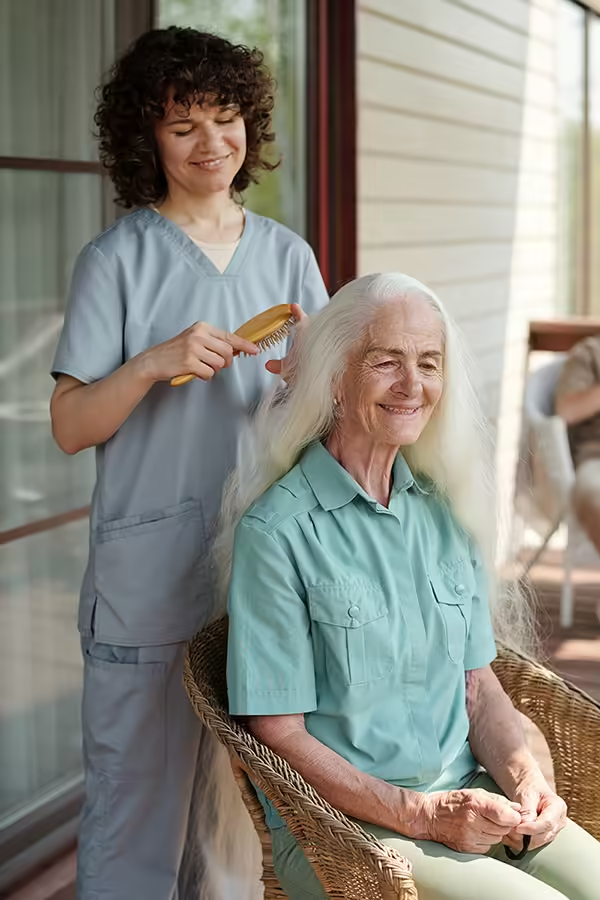
If you’re caring for an aging parent or loved one, you may be hearing terms like “home health,” “home care,” and “HHA care” — and it can get confusing fast. However, understanding what a Home Health Aide (HHA) does can help you make a confident decision about support at home.
In this guide, we’ll explain what Home Health Aide (HHA) care is, what services HHAs provide, what their duties include, and what families should expect when starting services.
What Is Home Health Aide (HHA) Care?
Home Health Aide (HHA) care is hands-on assistance provided in the home to support a person’s daily routines, personal care needs, and safety. In many cases, HHAs help seniors age in place while reducing the workload on family caregivers.
Although HHAs are not nurses, their role is still extremely important. In fact, HHA support often prevents falls, supports hygiene, improves comfort, and helps seniors maintain dignity at home.
HHA Care vs. Home Care vs. Home Health: What’s the Difference?
These terms are commonly mixed up. Therefore, it helps to simplify:
Home Health Aide (HHA): A trained aide who helps with personal care and daily tasks (bathing, dressing, transfers, etc.)
Home Care: A broader term that includes non-medical assistance such as companionship, help at home, errands, and personal care
Home Health: Skilled medical services provided by licensed professionals (RN/LVN/therapy) and typically tied to physician orders
In other words, HHA care is a type of home care, but it is not the same as skilled nursing.
What Services Does a Home Health Aide Provide?
Home Health Aides support clients in ways that make daily life safer and easier. For example, HHA services often include:
1) Personal Care Assistance
Personal care is one of the most common reasons families request HHA services. Therefore, HHAs often assist with:
Bathing and shower support
Grooming (hair care, oral care, hygiene routines)
Dressing assistance
Toileting and incontinence care
Skin care support and hygiene reminders
Most importantly, aides help clients maintain dignity during personal tasks.
2) Mobility Assistance & Transfers
Many seniors are at risk for falls. Because of that, HHAs commonly assist with:
Walking support and mobility assistance
Transfers (bed to chair, chair to toilet, etc.)
Wheelchair support
Positioning for comfort and safety
In addition, aides can help reduce fall risks by keeping pathways clear and reporting safety concerns.
3) Light Housekeeping
While HHAs are not full housekeeping services, they can often assist with light tasks that keep the environment safe. For example:
Tidying and keeping walkways clutter-free
Laundry and linen changes
Light cleaning in the care area (as allowed)
Dishwashing or basic kitchen cleanup
As a result, seniors live in a cleaner space with reduced fall hazards.
4) Meal Prep & Hydration Support
Nutrition plays a key role in energy, healing, and wellness. Therefore, HHAs may assist with:
Meal preparation following dietary guidance
Basic snack preparation
Hydration reminders
Grocery support (as permitted and arranged)
In addition, meal support helps families feel more confident that their loved one is eating safely and consistently.
5) Companionship & Supervision
Many seniors experience loneliness or isolation. That’s why companionship is one of the biggest benefits of HHA care.
Companionship support may include:
Friendly conversation and engagement
Encouragement with daily routines
Supervision for safety and reassurance
Support for families who cannot be present daily
Ultimately, companionship improves quality of life.
6) Routine Reminders
Although HHAs do not replace nursing care, they can reinforce routine support.
This may include:
Reminders for medications (non-medical reminders only)
Appointment reminders
Encouragement with home exercises (if approved by healthcare provider)
As a result, seniors stay more consistent with day-to-day routines.
What Are the Duties of a Home Health Aide (HHA)?
The duties of an HHA can vary depending on the client’s needs. However, most HHA duties fall into these categories:
✅ assisting with personal hygiene and bathing
✅ helping with dressing and grooming
✅ mobility support and transfers
✅ supporting toileting routines
✅ keeping the environment safe and tidy
✅ meal preparation and hydration reminders
✅ companionship and supervision
✅ observing changes and communicating concerns to the care team
In other words, an HHA supports the daily living needs that families often struggle to manage alone.
What HHA Care Does NOT Include
It’s also important to understand what HHAs typically do not do.
Depending on licensing and program rules, HHAs do NOT usually provide:
medical diagnosis or treatment
medication administration (unless permitted under specific circumstances)
injections
skilled wound care
IV care or complex clinical procedures
Instead, those services fall under skilled nursing care provided by licensed clinical staff.
Who Needs HHA Care?
HHA services are often ideal for:
Seniors who need help bathing, dressing, or toileting
Clients with mobility limitations or fall risk
Individuals recovering after hospitalization or surgery
Adults living with chronic conditions who need routine help
Families who need respite support while they work or manage other obligations
In many cases, HHA care bridges the gap between independence and full-time medical care.
What to Expect When Starting HHA Services
Starting services should feel organized and supportive—not confusing. Here’s what families can expect:
1) Consultation
First, you’ll discuss care needs, schedule preferences, and goals.
2) Care Plan
Then, a customized plan is created to outline duties and routines.
3) Caregiver Match
Next, you’re matched with an aide suited to the client’s needs and personality.
4) Start of Care
Finally, services begin and routines are established.
After that, the agency should check in periodically and adjust care if needs change.
How Insignia Home Care Solutions Can Help
At Insignia Home Care Solutions, our Home Health Aide services are designed to support safety, dignity, and confidence at home.
We provide support with:
bathing and personal care
mobility and fall prevention
daily routines and supervision
post-surgical recovery support
chronic condition routine assistance
Most importantly, we treat every client with respect and compassion.
Need Home Health Aide (HHA) Care in Houston?
If you’re exploring HHA services for yourself or a loved one, we’re here to help.
📞 Call Insignia Home Care Solutions today to schedule a consultation
We proudly serve Houston and surrounding areas.